KOFU KYOWA DENGYO CO., LTD. [RICOH SC-20 customer case study]
Reducing a 5-Minute Task to Just 10 Secondsーand No More Check Sheets!
“Improving Quality and Reducing Labor in Manual Assembly Processes”
Reason for Installation
KYOWA ELECTRONIC INSTRUMENTS CO., LTD.
Quality and Product Division, Quality Assurance Department, Manager of Reliability Engineering
Certified Professional Engineer (Mechanical Engineering) Naohiro Uesaka
What challenges were you facing on the production floor?
Mr. Uesaka: Ensuring consistent quality was a challenge because our production is primarily based on high-mix, low-volume manufacturing.
Preventing human errors and maintaining reliable work records were particularly challenging. One of our key quality management issues was establishing a practical way to document whether assembly procedures had been completed correctly.
What measures were you taking to prevent errors?
Mr. Matsuzawa: We used paper check sheets to record, and track completed tasks.
However, verifying whether each task had actually been performed correctly often depended on the operator‘s memory. As a result, we felt that the process was insufficient in terms of leaving objective evidence and ensuring traceability.
What led you to choose the SC-20?
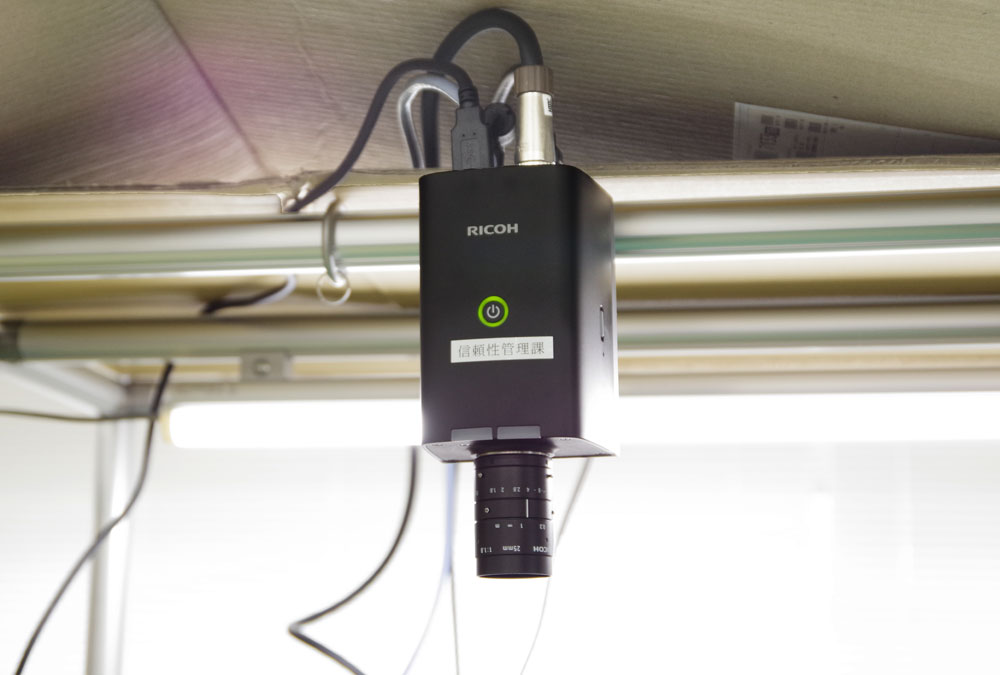
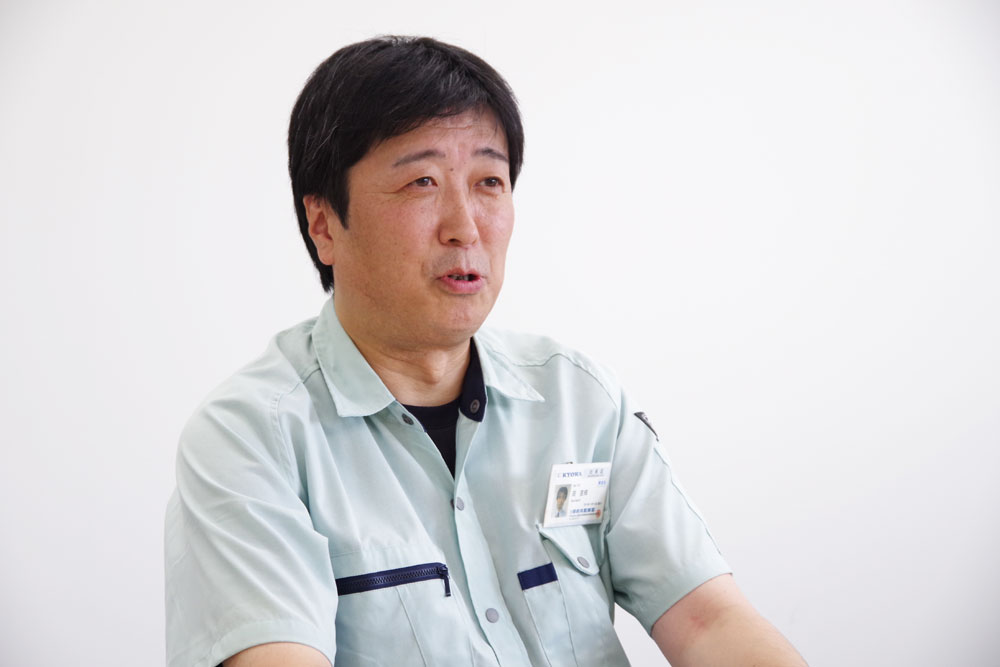
Mr. Uesaka: While browsing the web, I came across the unusual tagline, “Cannot conduct exterior inspections.” It described a camera designed to manage quality in manual assembly processes, and I immediately felt it would be a good fit for our cell production environment.
Later, I had the opportunity to see the product in person at a trade show, and that initial impression quickly turned into confidence.
We were already familiar with inspection systems designed for high-volume production lines. However, we had never seen a solution that was truly suited to high-mix, low-volume manufacturing in cell production environments like ours. Since the SC-20 does not require a PC, we felt it could be deployed easily on the shop floor and decided to introduce it.
KOFU KYOWA DENGYO CO., LTD.,
Manufacturing Department, Group 2
Mr. Tsutomu Matsuzawa, Supervisor
Overview of the Implemented Process
What specific process is the SC-20 used for?
Mr. Uesaka: We currently use the SC-20 in four different processes.
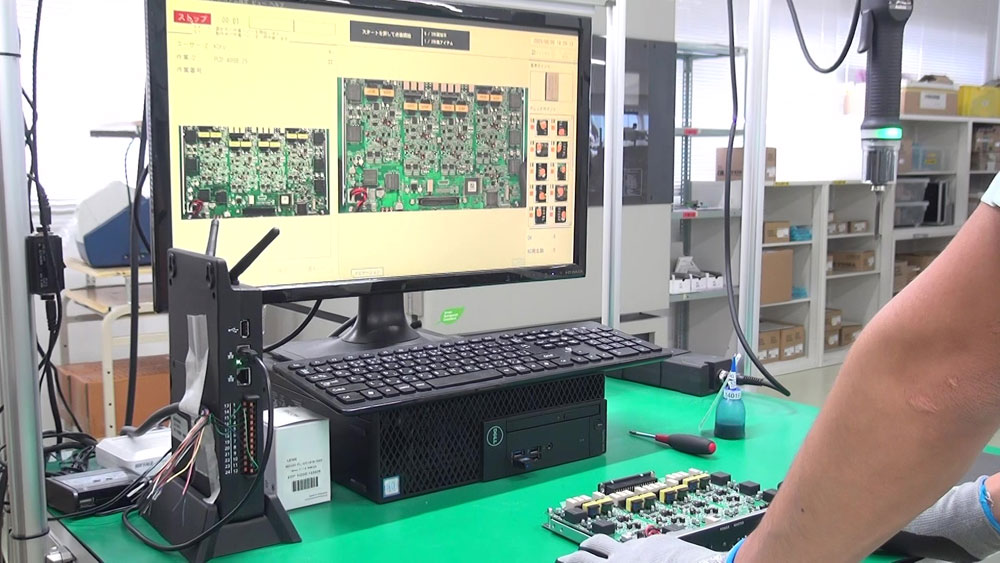
The first is checking the paint-lock application on circuit boards. We perform this inspection using the [Color Recognition] mode and save image logs for traceability.
We also use the optional [1D/2D Code function] to inspect labels and read the 2D codes used to identify each circuit board.
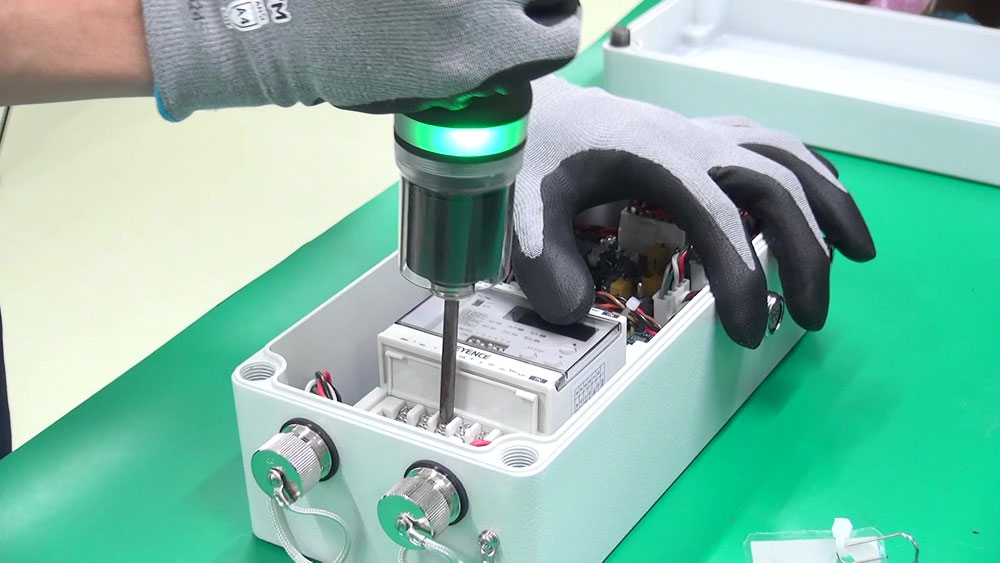
For screw-tightening verification, which involves approximately 30 screws per unit, the SC-20 works in conjunction with the torque signals from the electric screwdrivers. Using [Check] Mode, it verifies that the correct number of screws has been tightened and records image logs as evidence.
All of these inspections are performed by the SC-20, and the results are automatically stored as work records, providing complete traceability for the assembly process.
Effect after Installation
What benefits have you seen from a quality control and production management perspective?
Mr. Uesaka: By easily digitalizing our inspection processes, we were able to reduce our reliance on manual inspections and promote greater standardization across our operations.
Could you share some specific results in terms of man-hour reduction and error prevention?
Mr. Matsuzawa: We've seen two major benefits.
The first is a reduction in labor hours. Tasks that previously took around five minutes can now be completed in about ten seconds.
The second is the elimination of paper-based check sheets. We had been using around 20 different handwritten check sheets, but we have now been able to eliminate them entirely.
Were there any challenges or best practices you discovered during installation?
Are there any operational tips you have developed when using the SC-20?
Mr. Uesaka: Because our production environment is based on high-mix, low-volume manufacturing, production layouts and workstations can change on a daily basis. To address this, we set up a dedicated cell workstation for processes that require SC-20 inspections. This allows us to respond flexibly, even when production lines need to be rearranged or relocated.
Could you tell us about any challenges you faced during implementation and how you overcame them?
Mr. Uesaka: Before introducing the SC-20 on the production floor, we had concerns about whether it would truly be useful and practical in day-to-day operations. Fortunately, we were able to test a demo unit in our actual production environment. That hands-on evaluation gave us confidence that the system would fit our workflow and enabled us to move forward with the implementation.
Where there any challenges you encountered on the production floor?
Mr. Matsuzawa: We initially had concerns because a large number of work IDs needed to be programmed. However, once we started using the system, we found that no special skills were required. As we gained more experience, the setup process became increasingly smooth and efficient.
Future Outlook
KOFU KYOWA DENGYO CO., LTD.,
Manufacturing Department
Naoki Oka, Department Manager
What are your plans for the future?
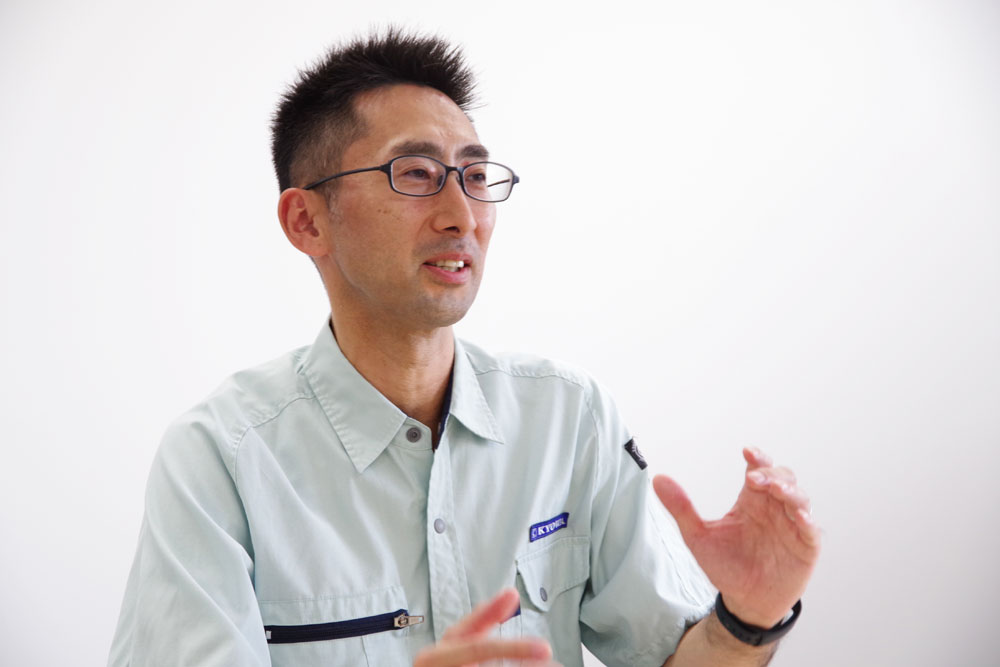
Mr. Oka: The implementation of the SC-20 has enabled us to advance the digital transformation of our inspection processes. We have seen clear benefits, including the elimination of paper-based check sheets and a reduction in man hours. With these results, we plan to continue leveraging the SC-20 to drive further improvements in our manufacturing operations.
Mr. Uesaka: We believe the SC-20 has been particularly effective in maintaining and improving quality in manual assembly processes.
Going forward, we plan to expand its deployment not only at KOFU KYOWA DENGYO CO., LTD. but also at YAMAGATA KYOWA DENGYO CO., LTD., a fellow company within our group. By using the same inspection system at both sites, we can further standardize inspection processes and share best practices more effectively. In addition, we hope that quality improvement and the SC-20 will become common topics of discussion, helping to strengthen communication and collaboration between the two sites.
Customer Profile
Corporate Name
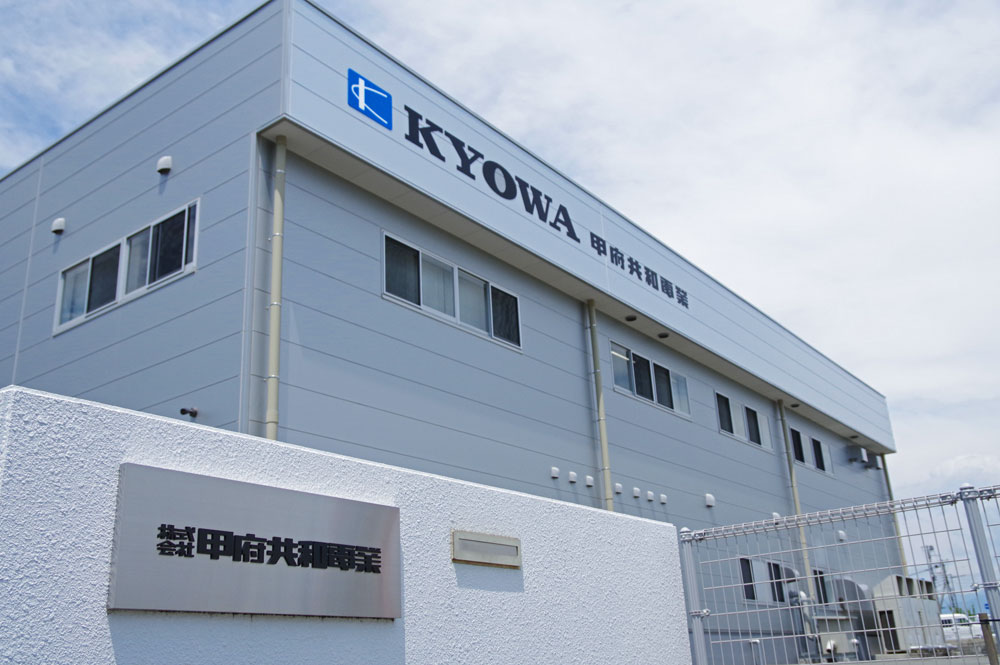
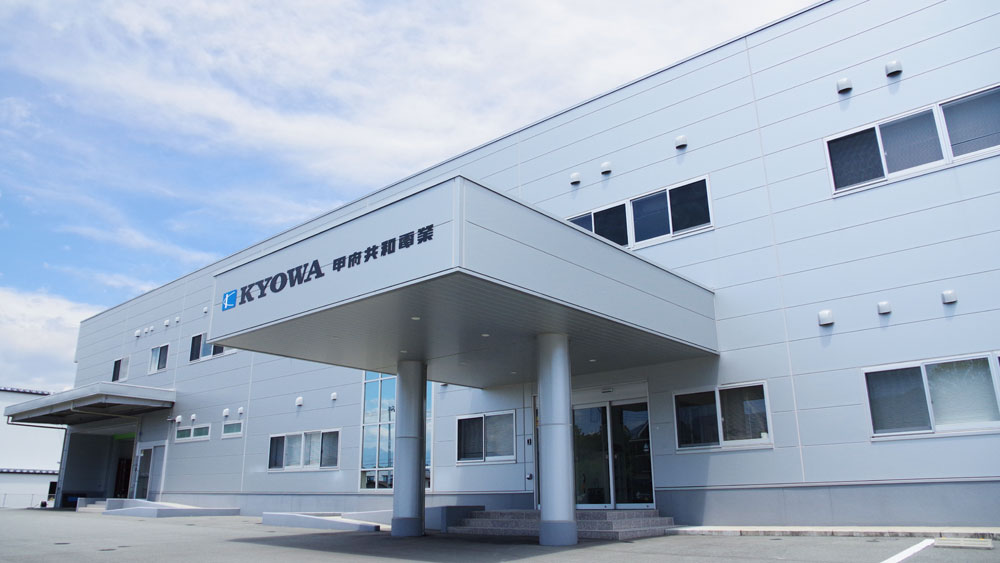
KOFU KYOWA DENGYO CO., LTD.
Head Office
1486-1, Shimosone-cho, Kofu, Yamanashi 400-1508, Japan Access Map
Mr. Uesaka: KYOWA ELECTRONIC INSTRUMENTS CO., LTD. has supported advances in both industry and academia in the fields of measurement, control, and analysis as a pioneer of strain gauges. Listed on the Tokyo Stock Exchange Standard Market, the company has earned the trust of customers in research, development, and manufacturing environments both in Japan and around the world.
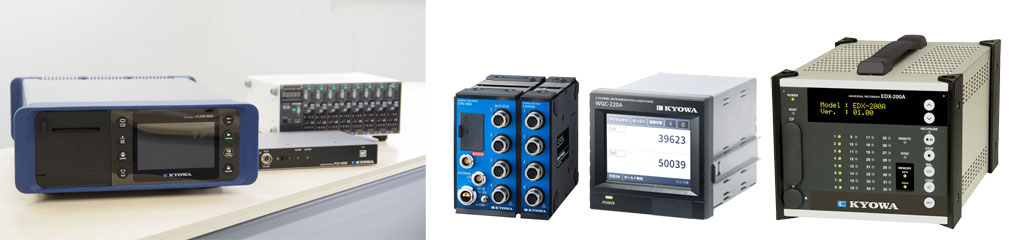
KOFU KYOWA DENGYO CO., LTD., a member of the : KYOWA ELECTRONIC INSTRUMENTS Group, serves as a manufacturing base for a wide range of electronic measuring instruments. As a leading manufacturer of stress measurement equipment in Japan, the company plays a key role in the Group’s production operations.
The name “Kyowa” reflects the spirit of working together and combining strengths. Since its founding in 1949, the company has continued to refine its measurement technologies in response to changing times and societal needs. Through the creativity and ingenuity of each employee, Kyowa strives to help customers turn their vision for the future into reality through precise measurement.
Within the KYOWA ELECTRONIC INSTRUMENTS Group’s manufacturing network, KOFU KYOWA DENGYO CO., LTD. plays a particularly important role as the primary production site for measuring instruments. If strain gauges and various sensors can be thought of as the “nervous system” that detects the condition of an object, then KOFU KYOWA DENGYO CO., LTD. produces the “brain” that processes and analyzes that information.
Commitment to Manufacturing Excellence
Mr. Oka: At KOFU KYOWA DENGYO CO., LTD., we manufacture a wide variety of products, ranging from standard catalog products to custom-built systems.
Over the years, we have implemented numerous improvements, including one-piece flow production through cellular manufacturing and flexible allocation of work areas based on daily production requirements to maximize factory space utilization. We are committed to continually pursuing higher productivity and more consistent quality across our manufacturing operations.